
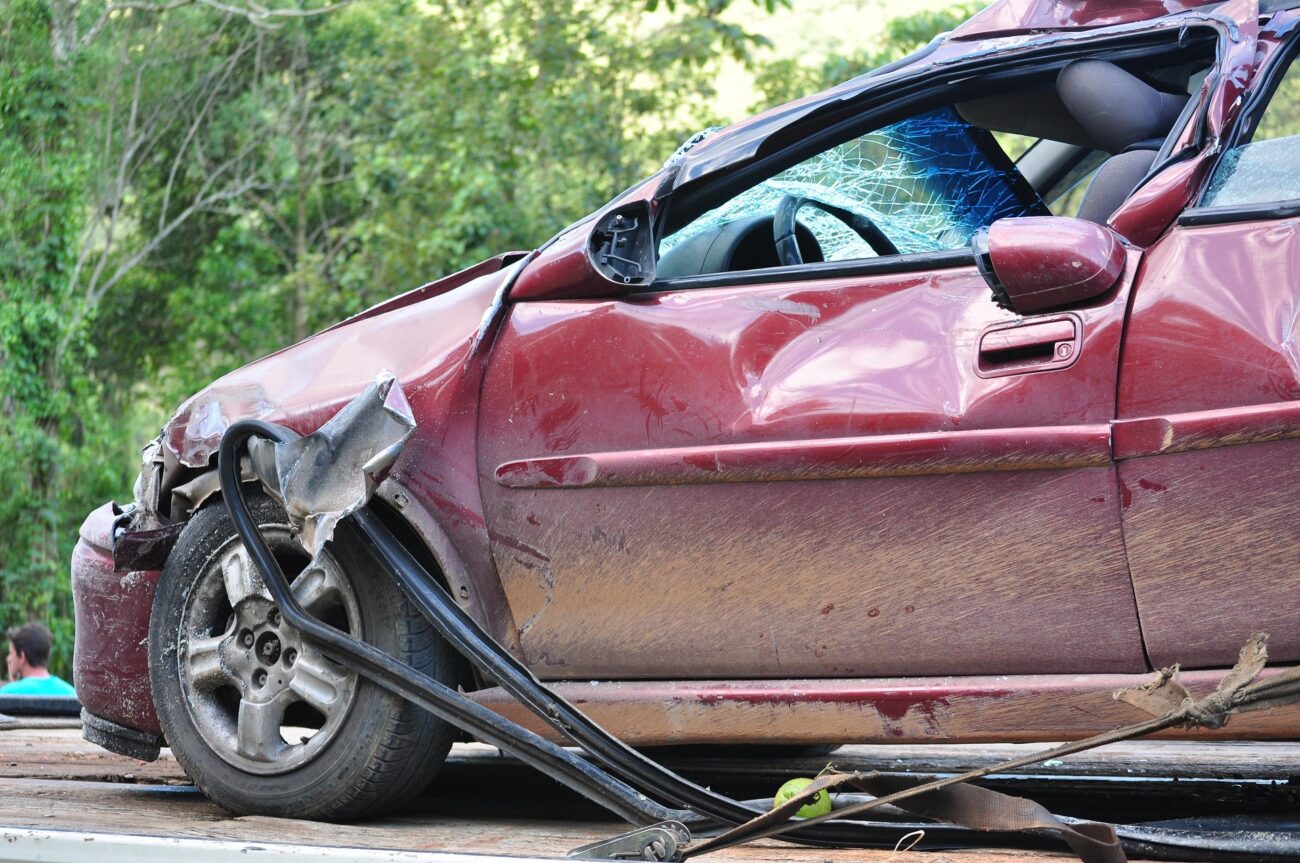
A car accident can leave you dealing with injuries, vehicle damage, medical bills, insurance companies, and questions about who is responsible. Knowing what to do after a car accident can make an important difference when it comes to protecting your health, documenting what happened, and pursuing compensation for your losses.
Whether the collision was a minor fender-bender or a serious crash involving significant injuries, the steps you take immediately afterward can affect a potential car accident claim.
Stop at the Accident Scene
The first thing to do after a car accident is stop. Leaving the scene can create serious legal consequences, particularly when someone has been injured.
If possible, move your vehicle to a safe location without leaving the accident scene. Turn on your hazard lights and remain in a safe area while waiting for emergency personnel.
If anyone appears seriously injured, call 911 immediately.
Check for Injuries
Your health should come before dealing with insurance companies or vehicle damage.
Check yourself and your passengers for injuries. If another person appears injured, notify emergency responders.
Some common car accident injuries may not become obvious immediately. Whiplash, concussion symptoms, soft-tissue injuries, back injuries, and other conditions can sometimes develop or become more noticeable hours or even days after a collision.
If you experience pain or other symptoms after an accident, seek appropriate medical attention.
Call the Police and Get an Accident Report
A police report can become an important part of the documentation surrounding a car accident.
When officers arrive, provide accurate information about what happened. Explain what you personally observed without guessing about facts you do not know.
The police may document the location of the accident, vehicles involved, apparent damage, statements from drivers and witnesses, traffic conditions, and other information.
Depending on the circumstances and local requirements, an accident report may later be useful when dealing with an insurance company or evaluating a personal injury claim.
Exchange Information With the Other Driver
Obtain the other driver’s basic information, including:
- Full name
- Phone number
- Driver’s license information
- Insurance company
- Insurance policy information
- Vehicle make and model
- License plate number
If there are witnesses, ask for their names and contact information as well.
Do not rely on memory later if you can safely document the information at the scene.
Take Photos and Video of the Accident Scene
Photographs can help preserve evidence that may disappear after the vehicles are moved or the roadway changes.
If it is safe, photograph:
- Damage to every vehicle involved
- Vehicle positions
- License plates
- Road signs and traffic signals
- Skid marks
- Road conditions
- Weather conditions
- Visible injuries
- Nearby intersections
- Debris from the collision
Take photographs from different distances and angles rather than photographing only the damaged areas.
If there are witnesses, their statements may also become important when determining how the accident occurred.
Do Not Admit Fault at the Scene
After a collision, people often say things such as “I’m sorry” or “I should have seen you.”
Even when said casually, statements made immediately after an accident can later become part of a dispute over liability.
Be polite and cooperate with police officers and other drivers, but stick to the facts. Determining who is legally responsible for a car accident can require consideration of traffic laws, evidence, witness statements, vehicle damage, photographs, and other information.
Notify Your Insurance Company
Most auto insurance policies require accidents to be reported within certain time periods.
Contact your insurance company and provide accurate information about the collision.
Insurance companies may ask questions about how the accident happened, whether you were injured, and what damage occurred.
Keep copies of correspondence, claim numbers, estimates, medical records, and other documents connected with the insurance claim.
Be Careful When Speaking With the Other Driver’s Insurance Company
If another driver’s insurance company contacts you after an accident, remember that the insurer is investigating a claim.
You should provide accurate information, but you should not guess about your injuries or make statements that you cannot support.
If you have suffered significant injuries or the insurance company disputes responsibility, obtaining legal advice before making important decisions may be appropriate.
Get Medical Treatment for Accident Injuries
Medical documentation can be important in a personal injury claim.
If a doctor recommends treatment, follow the treatment plan and keep records of appointments, prescriptions, medical bills, diagnostic testing, physical therapy, and other related expenses.
Common injuries after a motor vehicle accident include:
- Neck and back injuries
- Whiplash
- Broken bones
- Head injuries
- Concussions
- Soft-tissue injuries
- Shoulder injuries
- Spinal injuries
- Internal injuries
The seriousness of an injury can affect medical expenses, lost income, recovery time, and the potential damages associated with a personal injury claim.
Keep Track of Your Financial Losses
A car accident can create expenses beyond the initial vehicle repair.
Keep documentation of:
- Medical bills
- Prescription expenses
- Transportation costs
- Vehicle repairs
- Lost wages
- Property damage
- Rehabilitation expenses
- Other accident-related costs
If an injury prevents you from working, keep records showing the time missed and the income you lost.
Do Not Rush to Accept a Settlement
An insurance company may offer a settlement relatively quickly after an accident.
A quick settlement may seem attractive when medical bills and vehicle expenses are piling up. However, it is important to understand what the settlement covers before accepting it.
Some injuries require weeks or months of treatment. If you settle a claim and sign a release, you may give up the ability to seek additional compensation for claims covered by that agreement.
Before accepting a significant settlement, consider whether your medical condition and future expenses are reasonably understood.
How a Car Accident Lawyer Can Help
A personal injury lawyer can review the circumstances of a crash and explain the legal options that may be available.
Depending on the case, an attorney may investigate liability, collect evidence, communicate with insurance companies, evaluate damages, negotiate a settlement, or pursue litigation.
Legal representation may be particularly important when there are serious injuries, disputed liability, multiple vehicles, uninsured or underinsured motorists, or significant financial losses.
How Long Do You Have to File a Car Accident Lawsuit?
There is no single deadline that applies to every car accident claim in the United States.
The statute of limitations depends on the state and circumstances of the claim. Special rules may also apply when the defendant is a government entity or when the case involves a particular type of injury.
Because missing a legal deadline can affect your ability to pursue a lawsuit, it is important to determine the applicable deadline as soon as possible.
Knowing what to do after a car accident can help protect your health, preserve evidence, and document your losses. Call emergency services when necessary, obtain an accident report, exchange information, photograph the scene, seek medical attention, notify your insurance company, and keep records of accident-related expenses.
If you suffered injuries or believe another driver was responsible for the crash, consider discussing your circumstances with a qualified personal injury attorney.
Disclaimer: The information provided in this article is for general educational and informational purposes only. It is not legal advice and does not create an attorney-client relationship. Laws governing car accidents, personal injury claims, insurance claims, liability, damages, and statutes of limitations vary by state and by individual circumstances. Information on this website should not be relied upon as a substitute for advice from a qualified attorney. If you have a specific legal matter, consult a licensed attorney in the appropriate jurisdiction.